YSE Regional Debuts in Sabah and Phnom Penh

Ninety Malaysian and Cambodian youths gain new skills to kickstart their social entrepreneurship ventures.
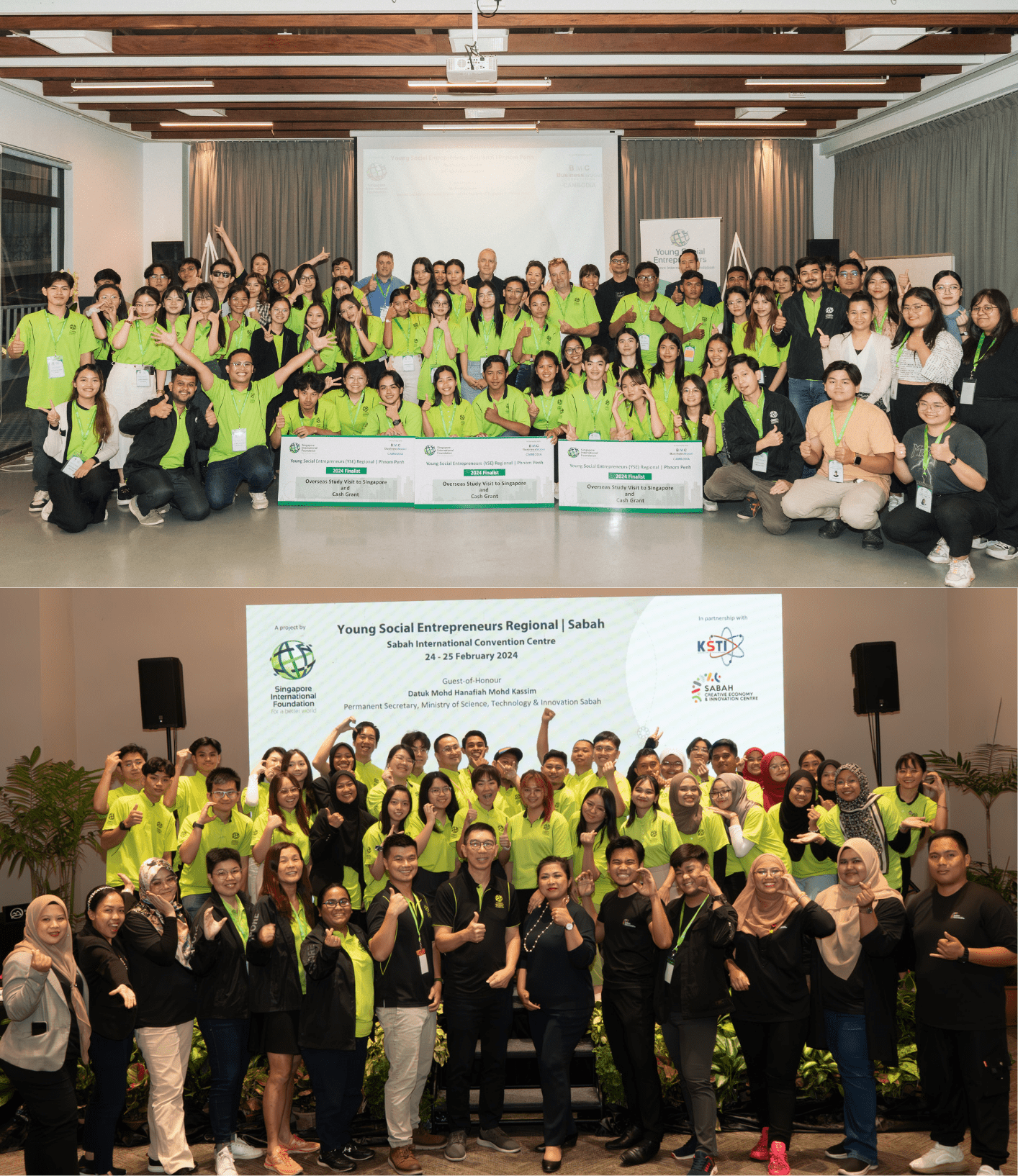
The Singapore International Foundation (SIF)’s Young Social Entrepreneurs (YSE) Regional programme recently expanded its reach to two new cities: Sabah, Malaysia, and Phnom Penh, Cambodia. This also marked the first time the programme was held in Cambodia.
YSE Regional seeks to inspire, equip, and enable young changemakers to scale up or amplify the impact of their social enterprise.
The programme was organised in partnership with the Sabah Creative Economy and Innovation Centre (SCENIC) in Sabah; and the Business Model Competition (BMC) Cambodia and National University of Management (NUM) in Phnom Penh.
From 24 to 25 February, 90 budding social entrepreneurs, representing 40 teams, embarked on a journey of learning and collaboration. They participated in interactive workshops, business clinics, and networking activities to hone their skills to identify social issues, understand stakeholder needs, and design innovative solutions.
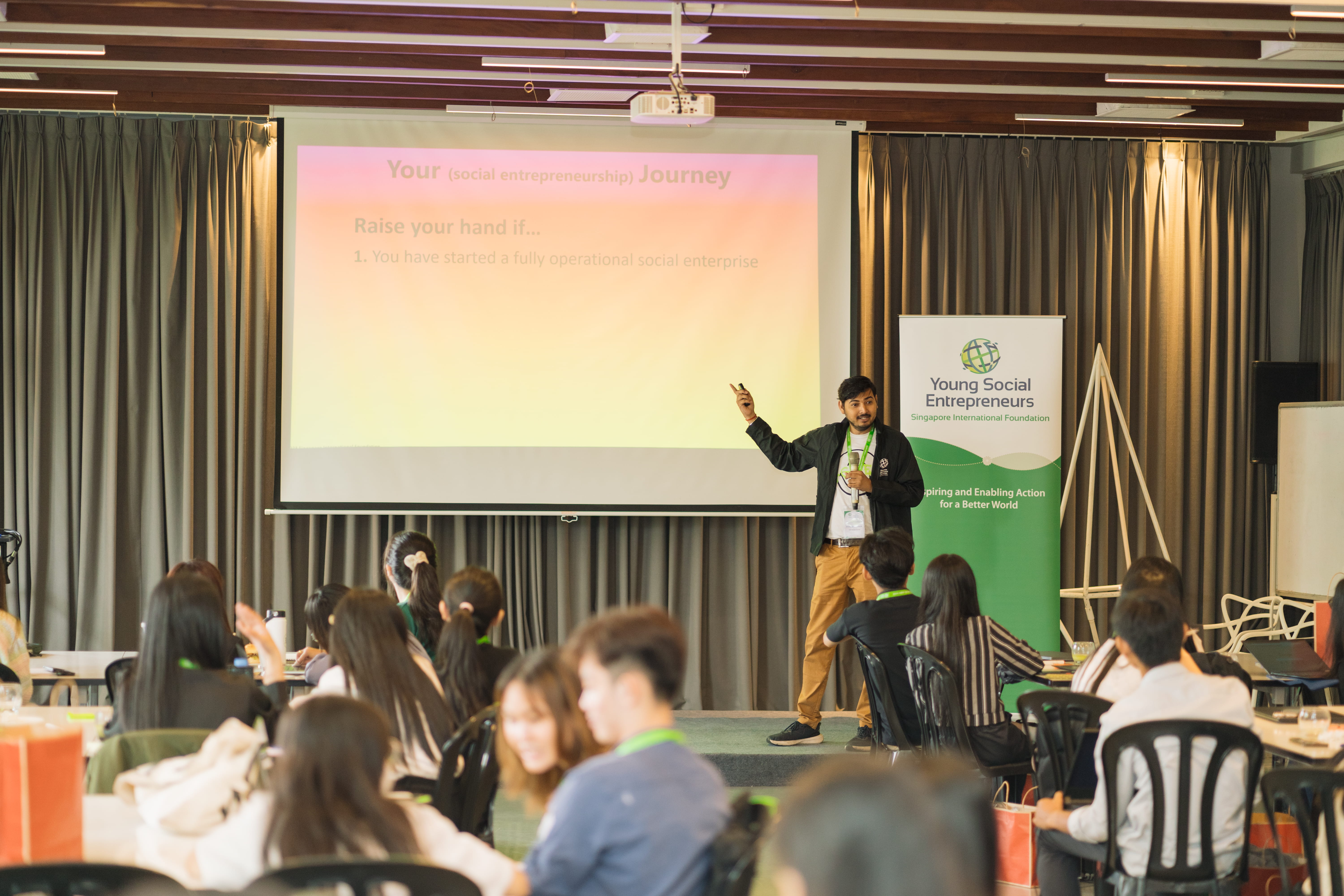
These included sessions based on the SIF’s Design Thinking for Good Business, a curriculum that applies a human-centred approach to problem-solving. Seven YSE alumni from India, Indonesia, Malaysia, and Singapore led the sessions in person. Before the programme, the alumni received training on subject knowledge and skills to facilitate the workshops.
Through the sessions, the alumni trainers shared their experiences, challenges, and successes with the next generation of YSE changemakers to encourage and inspire them.
Mr Jimar Zamri, a participant from Sabah, said: “One of my biggest takeaways was when the trainers reminded us not to lose sight of our purpose and business values amidst disruptions and challenges in our operating environment. This advice encourages us to stay adaptable, innovate to overcome challenges, and build trust with our stakeholders.”
Seasoned entrepreneurs and industry professionals from Cambodia, Malaysia and Singapore also mentored the social enterprise teams during the business clinic sessions.
In Phnom Penh, Ms Sokkim Neak’s team was mentored by Mr David Shelters, a startup business consultant, and Mr Louis Puah, a YSE 2016 Alumnus from Singapore. She said: “The business clinic sessions with my mentors were immensely beneficial. They provided me with insights into how I could refine my goals and implement practical strategies to navigate challenges. My mentors’ expertise and unwavering support not only helped me streamline my approach but also illuminated new avenues for growth within my social enterprise.”
She added: “I am deeply grateful for the guidance and encouragement I received during the programme, and I am eager to leverage these lessons to scale up my initiatives.”
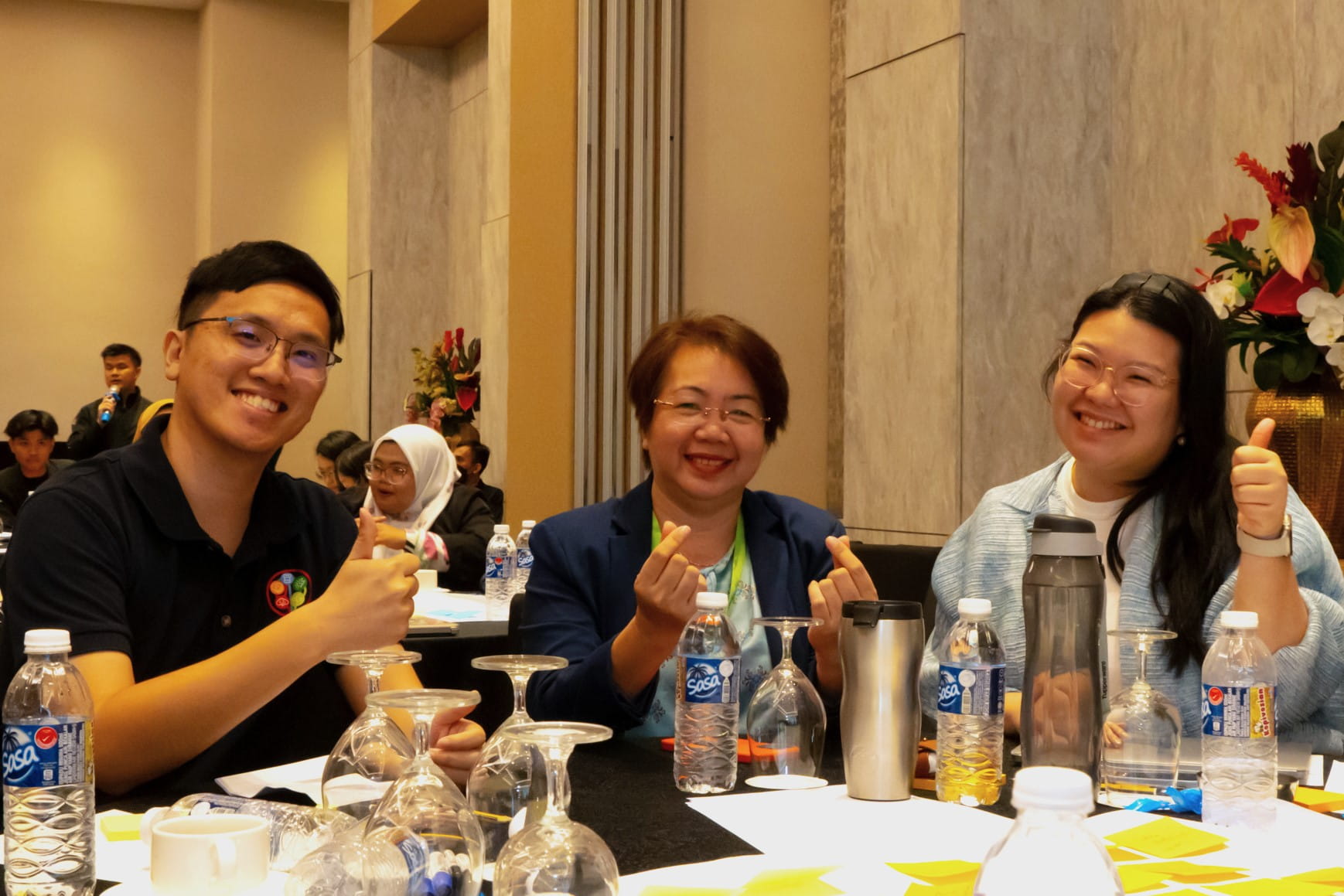
At the end of the programme, the participants pitched their social business ideas to a panel of judges, which comprised business leaders and industry professionals in the impact-making space. The presentations showcased the creativity, passion, and dedication of the participants, as they shared their visions for creating positive social impact in their communities.
The top three teams from each city were:
Sabah
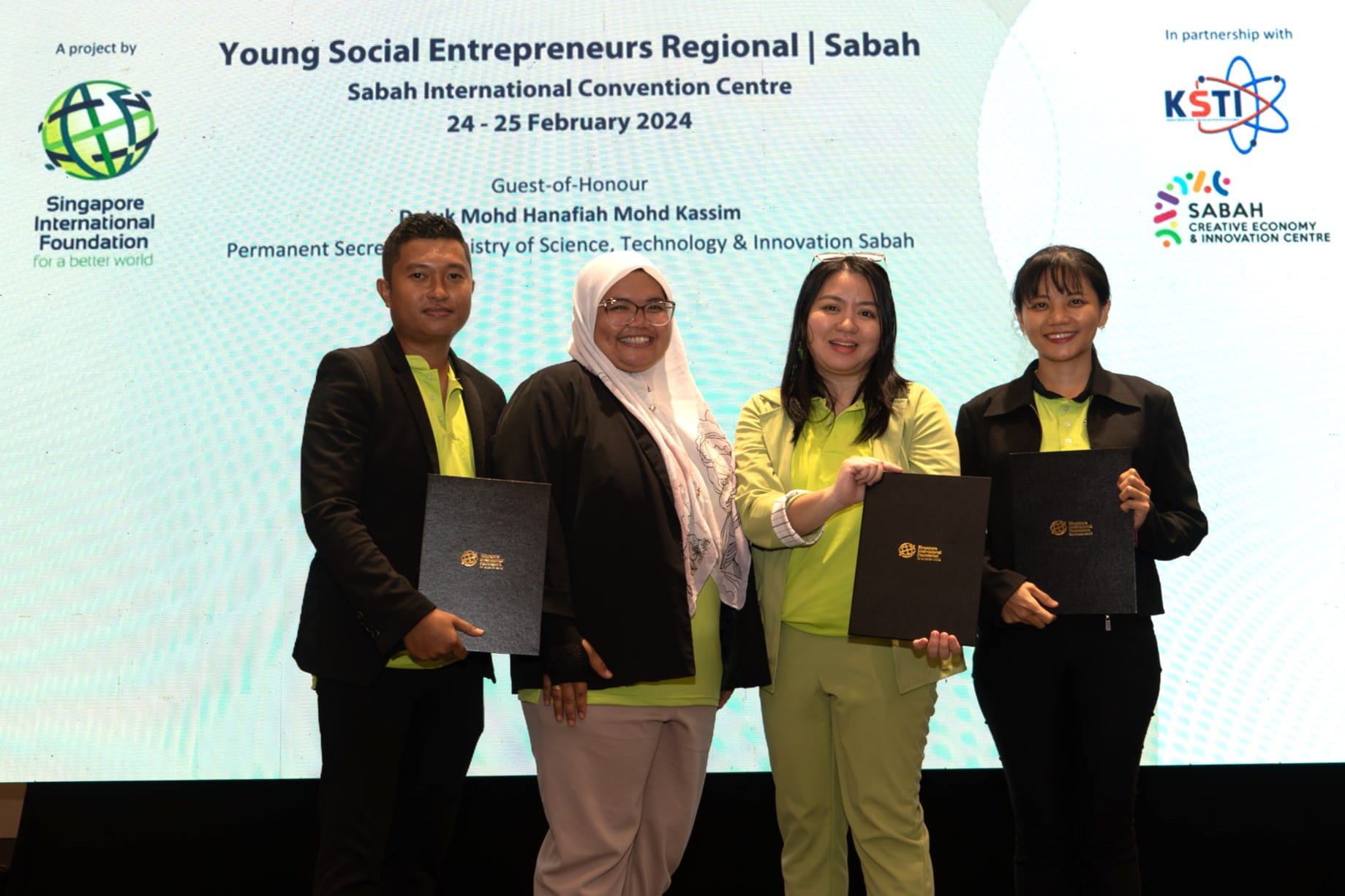
- Borneo Fertilyst, which utilises food and agricultural waste to make valuable organic products, such as organic fertilisers. It aims to create a positive impact on the economy for rural communities, support sustainable agriculture, and contribute to a healthier environment.
- Lifetime Jewellery Designs (LJD), which specialises in using plastic waste to craft jewellery and handbags. LJD also organises workshops and collaborates with young Sabahan talents and housewives to craft sustainable accessories.
- Oupus Organics, which creates artisanal skincare products using seeds from wild mangoes found in Borneo and offers employment opportunities to disadvantaged mothers. A portion of its business profits is dedicated to organising soap-making workshops, which empower marginalised and indigenous communities with valuable skills for sustainable income generation.
Phnom Penh
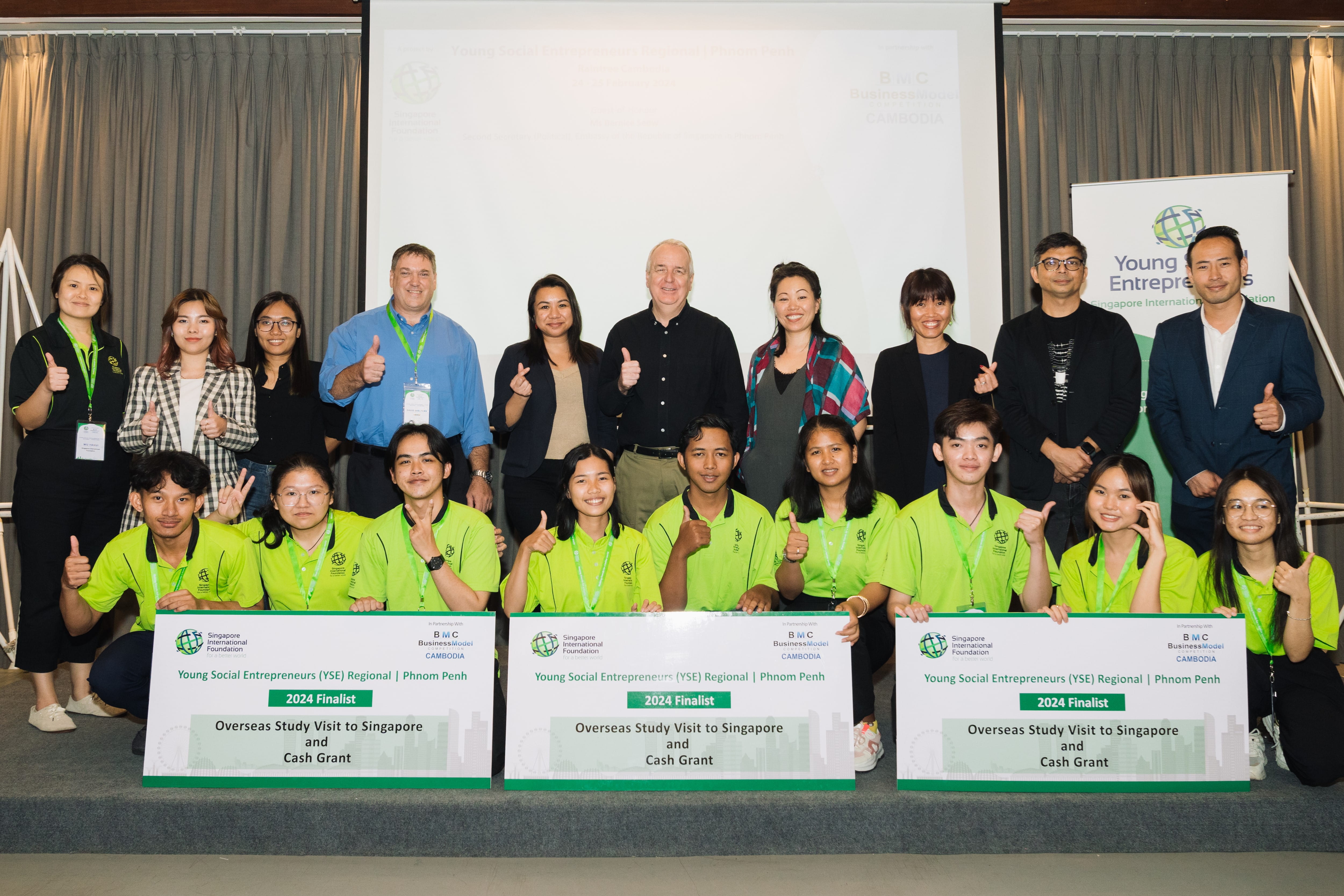
- Volts, an energy consulting enterprise that helps schools and companies monitor energy usage and reduce energy inefficiency. Volts offers digital energy auditing that helps pinpoint the inefficiencies of organisational energy practices, while providing recommendations to tackle those problems.
- 3inKH, which mitigates water hyacinth proliferation by using it as a main ingredient to produce eco-friendly soap alternatives.
- Chalatex, an agri-tech social enterprise that provides a fully integrated IoT and mobile application platform to help Cambodian farmers reduce irrigation costs, increase crop yields, and mitigate against adverse weather and climate conditions.
The top teams will receive prize money of up to S$2,800 each to kickstart their social enterprises. They will also travel to Singapore for a study visit later this year. It will be an immersive experience that aims to further enrich their learning, present insights into Singapore's social entrepreneurship ecosystem and offer opportunities for cross-cultural exchanges.
Reflecting on their YSE Regional experience, participants expressed gratitude for the opportunity to learn and connect with like-minded individuals.
Oupus Organics’ Ms Vellarry Yong said: "The workshops provided me with a fresh perspective on tackling social issues. The design thinking sessions offered a structured approach to tackle complex social challenges with creativity and empathy. Exploring the different stages of the design thinking process, from understanding stakeholders to testing solutions, underscored the importance of grasping the needs and perspectives of the communities we aim to assist.”
She added: “The session on social impact measurement also deepened my understanding of tracking and assessing the effectiveness of our interventions. Knowing how to measure and evaluate the impact of our initiatives is crucial for optimising our efforts and resources.”
Mr Kimseur Hor, a member of the Volts team from Phnom Penh, said: "I enjoyed meeting other social entrepreneurs and hearing their ideas to address various social challenges. It was very inspiring! The alumni sessions provided valuable insights and guidance, helping us envision the next steps in our business. On top of that, we also got a clearer understanding of the growing issue of energy inefficiency, both from the other teams and the mentors. With that, we hope that our startup would help cut down on energy waste and reduce the carbon footprint made from commercial buildings and businesses.”
He added: “I am very excited to further broaden my perspectives during the study visit to Singapore."
This Might Also Interest You