Singapore and Indonesia Work Together to Benefit Over 50,000 Lives Annually in East Java, Indonesia

Launch of four-year programme seeks to address the universal challenge of reducing mortality rate of infants and children under five years of age.
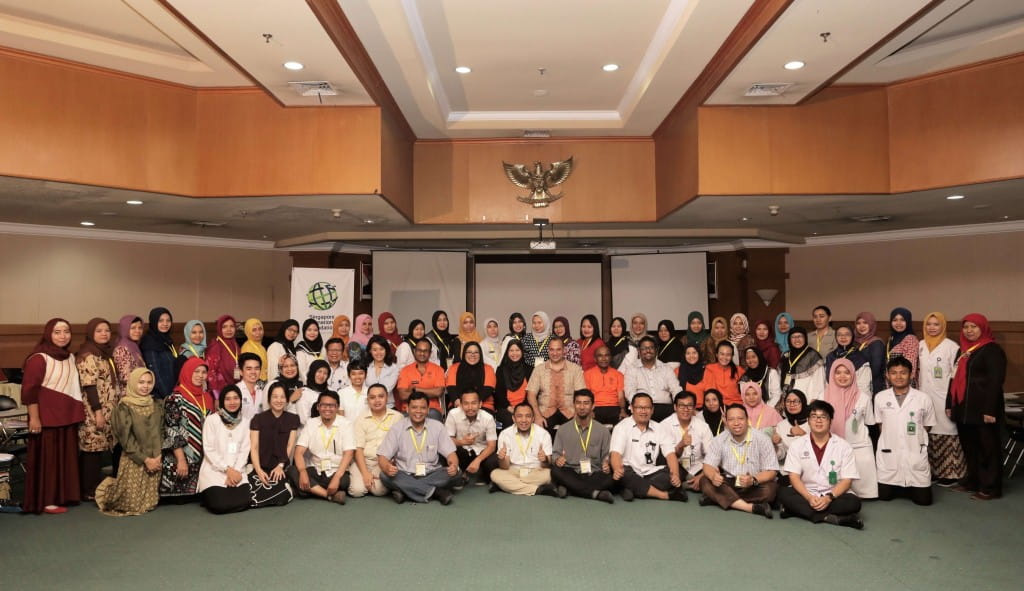
“According to the 2016 East Java Health Profile, the mortality rate of infants and young children is still high: 13 infants and 14 children under the age of five die per day… We are grateful for the support of our Singaporean partners in enabling comprehensive care for infants and children who require immediate medical attention in East Java,” shared Dr Sri Agustina Ariandani, Director, Surabaya Haji General Hospital (SHGH), at the launch ceremony of the Paediatric Emergency and Neonatal Care Project.
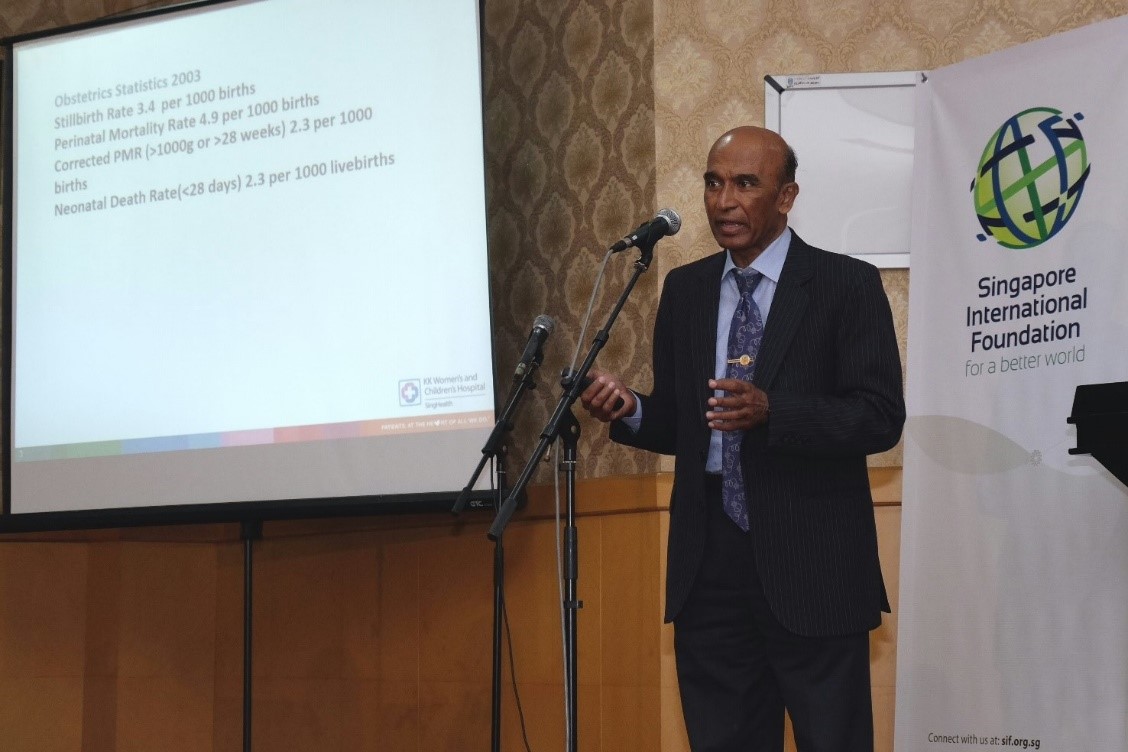
Held on 31 July 2018, the launch brought healthcare practitioners from the Singaporean and Indonesian communities together to embark on a collaborative sharing journey to address issues related to caring for infants and children at risk. In partnership with SHGH and Singapore Health Services, this SIF project aims to enhance the provision of care for paediatric emergency and neonatal services in public health institutions in the East Java province. At least 200,000 lives are expected to benefit from the project over the next four years.
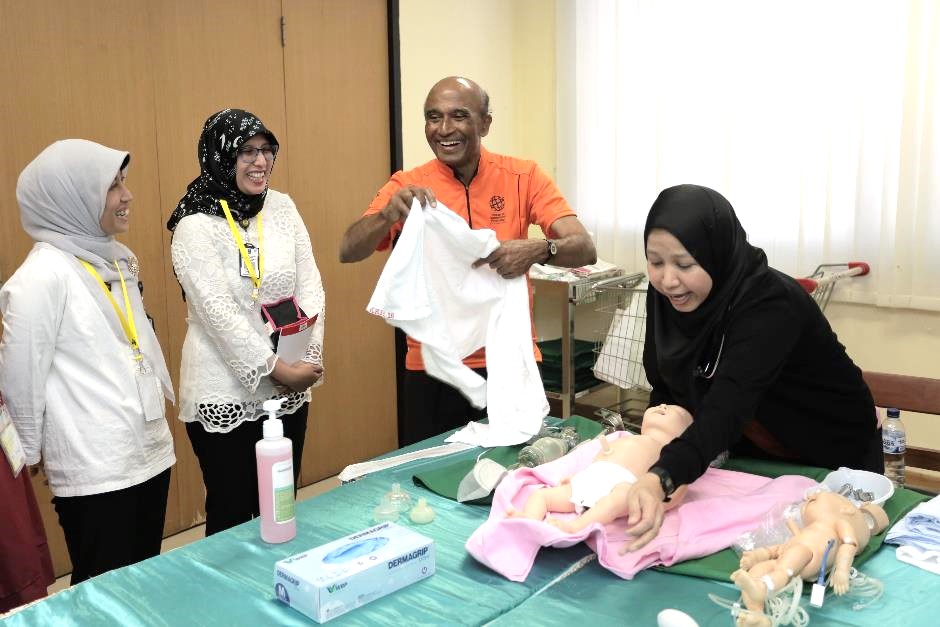
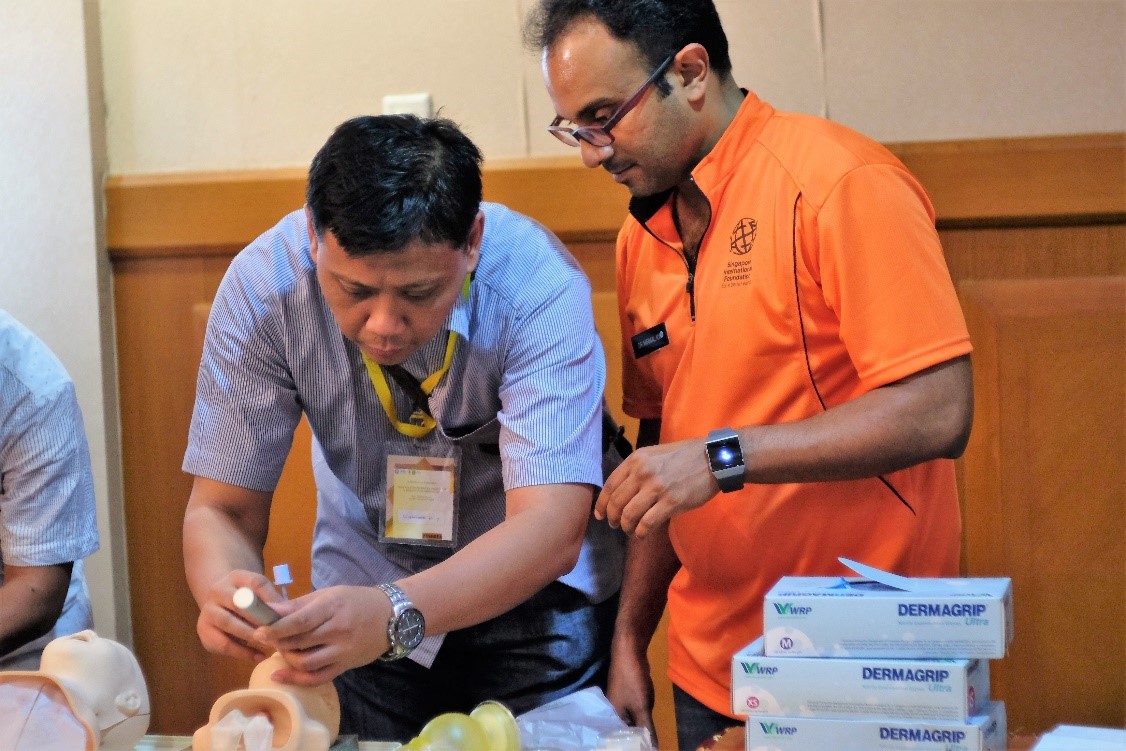
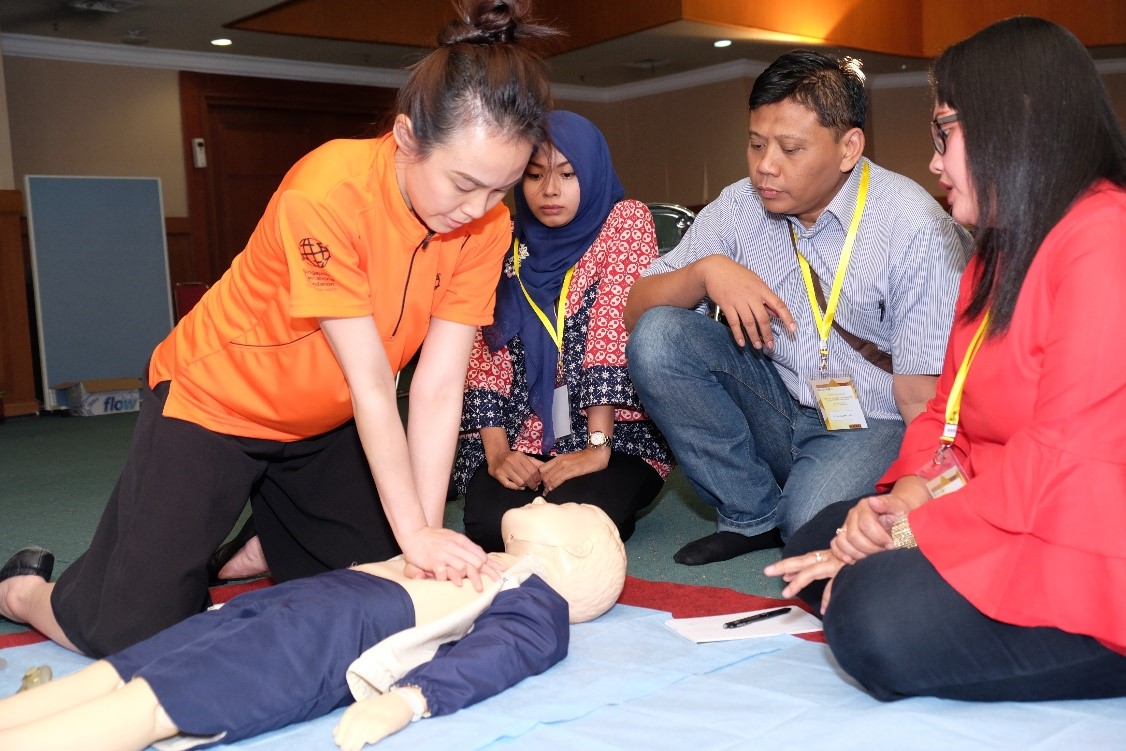
The project kickstarted with a symposium, followed by ‘live’ workshop demonstrations, led by a specialist team of Singapore International Volunteers (SIV). They comprised of doctors and nurses from neonatology and emergency units in KK Women's and Children's Hospital (KKH). The first batch of trainees underwent an intensive itinerary within a span of two days.
“It has definitely been a lot to take in,” said Indonesian participant Dr Khoirun Nisa, Intensive Care Unit Department, SHGH. “[But] the Singaporean trainers are helpful and very responsive to our queries which makes the experience more engaging.”
Another participant Dr Hartono Marsudi, Head of Paediatric Department, SHGH, shared that he, together with his peers, gained valuable insights from the training. He said, “There are many new things that we have learnt. For example, we usually handle heart emergencies within a few minutes. However, this training had taught us to perform the necessary actions within twenty seconds. I believe that we will be able to apply this enhanced knowledge shared by the Singaporean volunteers in our own hospital.”
“As specialists dedicated to improving the quality of care for children and babies, it is always our mission to deliver the best medical care possible and do whatever we can to keep children safe and healthy,” said Dr Arif Tyebally, SIV and Deputy Head and Senior Consultant, Department of Emergency Medicine, KKH. “We were heartened by the enthusiasm and commitment shown by our Indonesian friends during the symposium and training sessions. It is encouraging to know that our aims and goals are in clear alignment and more importantly, we have a shared commitment to improve child health and reduce child mortality.”
Over the next four years, more trainees from SHGH as well as other affiliated hospitals and healthcare institutions will participate in this collaborative project. Among this pool of trainees, a core team of 24 master trainers will receive additional training by the SIVs to cascade their knowledge to others in the field, thus benefiting the wider community. At large, this collaborative cross-cultural project is supported by the East Java Provincial Government.
Speaking at the press conference after the launch ceremony, Mr Deidy Setyawan, Manager, Foreign Affairs, EJPG, said, “Since 1992, the SIF has collaborated with the people of Indonesia through various programmes, particularly in the fields of healthcare and education. The partnership between the East Java Provincial Government and the SIF is certainly one that fosters the deepening of ties between communities at the people-to-people level.”
This Might Also Interest You