Swimming with Sharks

On 12 October 2013, SIF’s Young Social Entrepreneurs (YSE) programme awarded four winning teams S$10,000 each in funding to kick start or expand their social enterprise ideas. A total of 13 teams comprising 26 youth from eight countries pitched their business plans to a judging panel of business professionals and social entrepreneurs. In this four-part series, we check out what these budding entrepreneurs are doing now. We kick off with The Dorsal Effect.
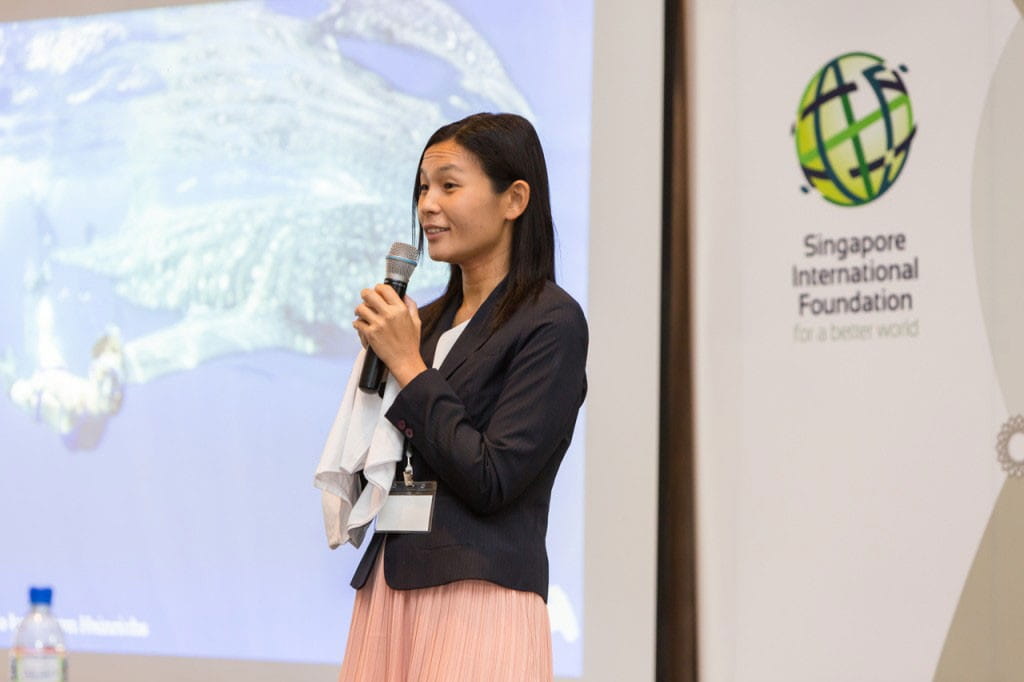
Who: Kathy Xu, 30 (Singapore)
The problem:
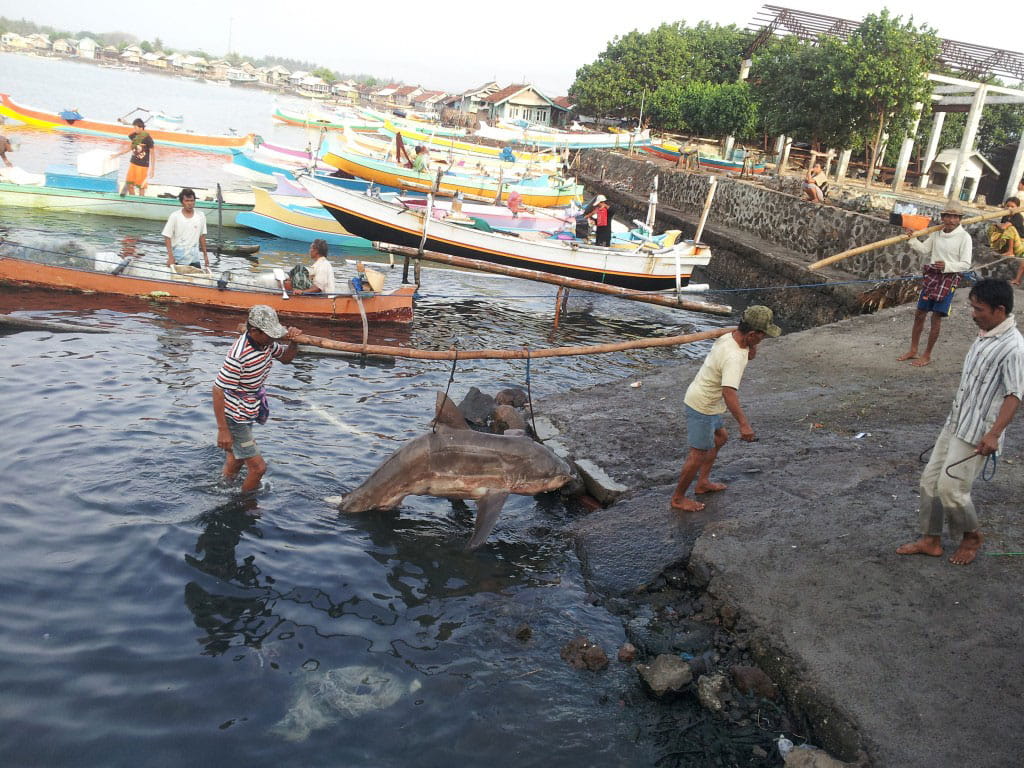
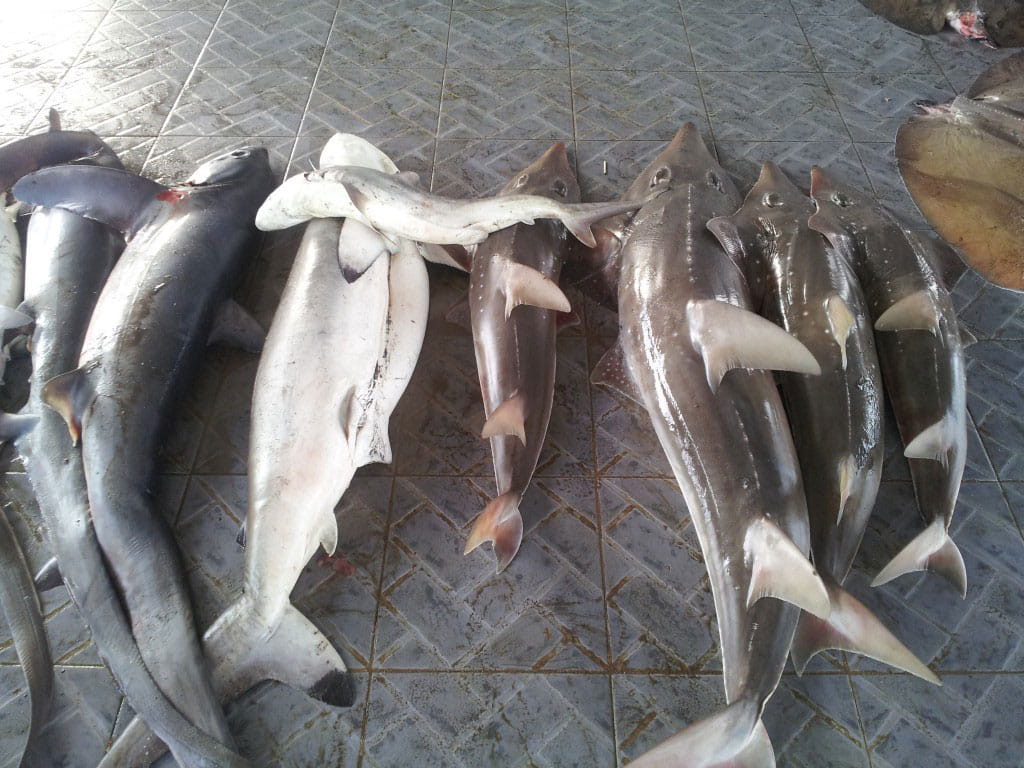
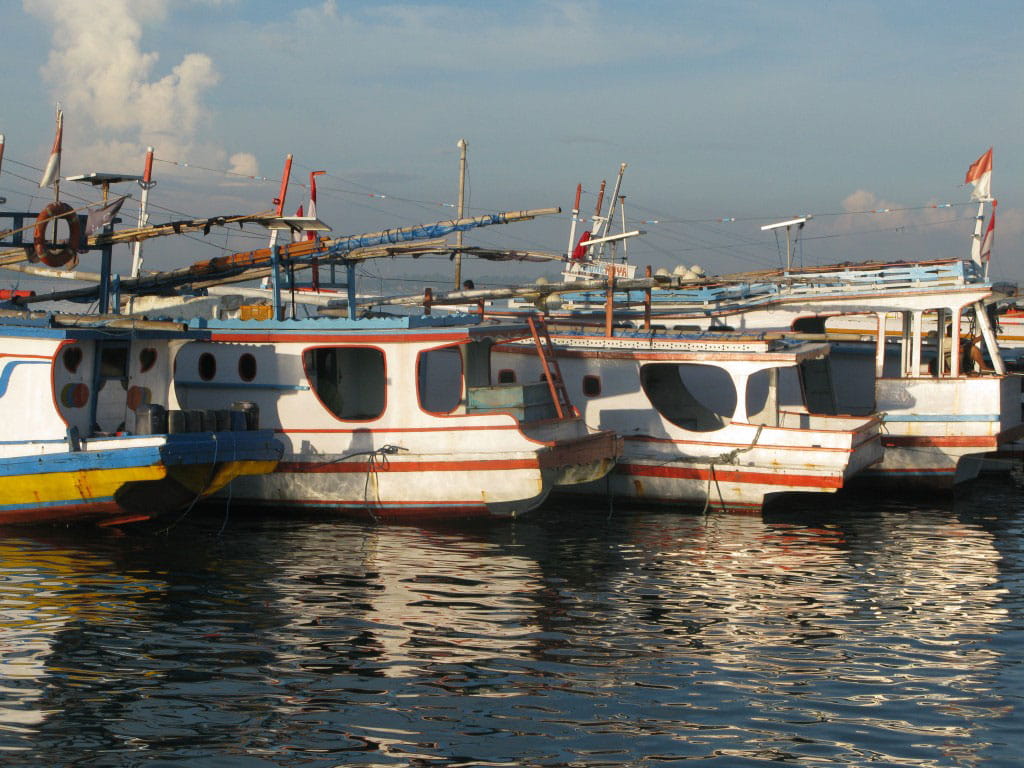
Shark populations are fast depleting through unsustainable fishing practices. On average, 40 sharks are caught every day at the Tanjung Luar fish market in Lombok. Also, fishermen and crew for shark boats are exploited by boat owners, who take a big cut from the sale of the shark fins and share only a small percentage with the crew. Her solution:
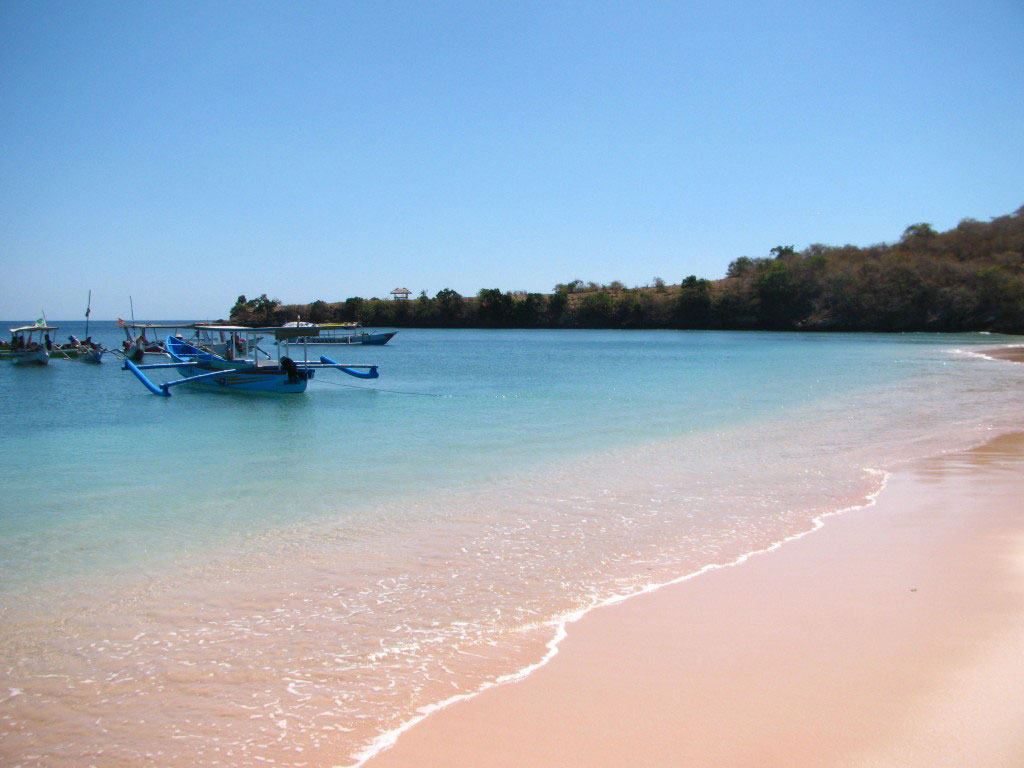
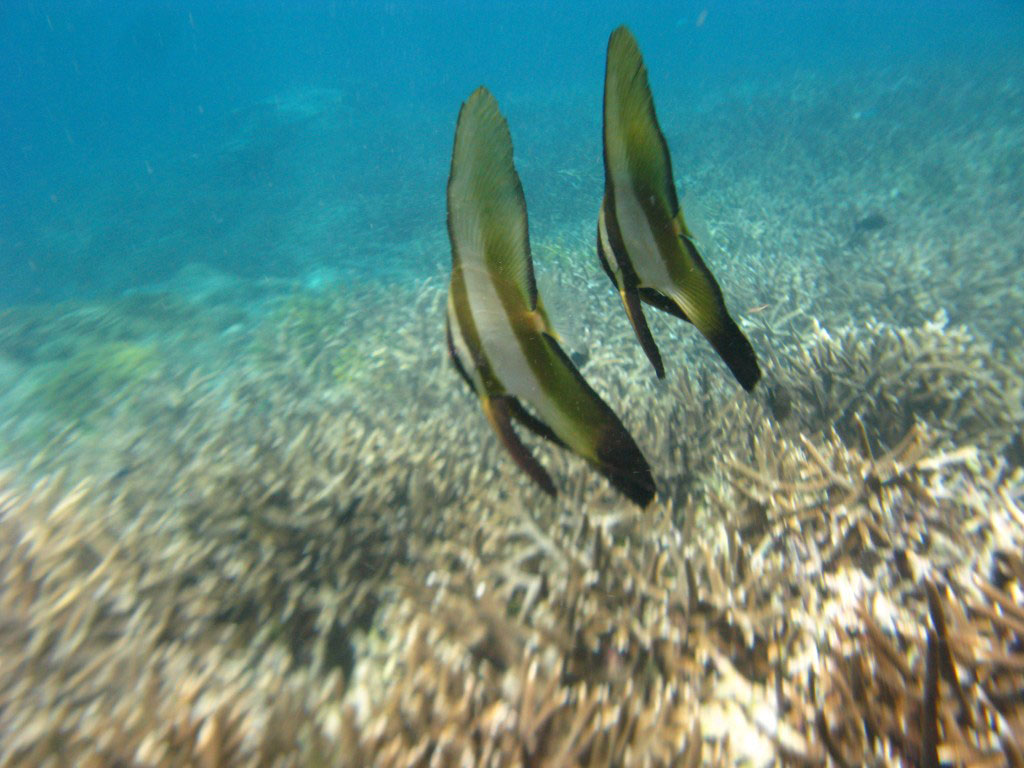
The solution: To promote Tanjung Luar as an eco-tourism destination to provide an alternative livelihood for shark fishermen in Lombok and to protect the global shark population. Shark fishermen can be employed to take tourists out on excursions for snorkeling, dolphin and whale watching. In the longer-term, the plan is to expand into marine life education, sightseeing, home stays at the villages and cultural activities.
On the ground:
In November 2013, there were already four tourist groups who had booked boat trips to Lombok with The Dorsal Effect. In 2014, she has plans to put together corporate teambuilding and CSR packages that include marine reef documentation and reef and beach clean ups. She also hopes to develop an ocean sustainability educational curriculum for schools.
How the funds will help: The S$10,000 may go toward rolling out shark merchandise such as tees, postcards, pins and stickers with awareness messages, which may be bundled with corporate trip packages.
Why she is doing this, in her own words:
“For me, leaving the world in a worse off shape than when I was alive for my future generations was never an option... Ultimately, I'd love for my children, my children's children and my children's children's children to still be able to see sharks alive in the oceans and get a chance to swim with an abundance of them.”
This Might Also Interest You